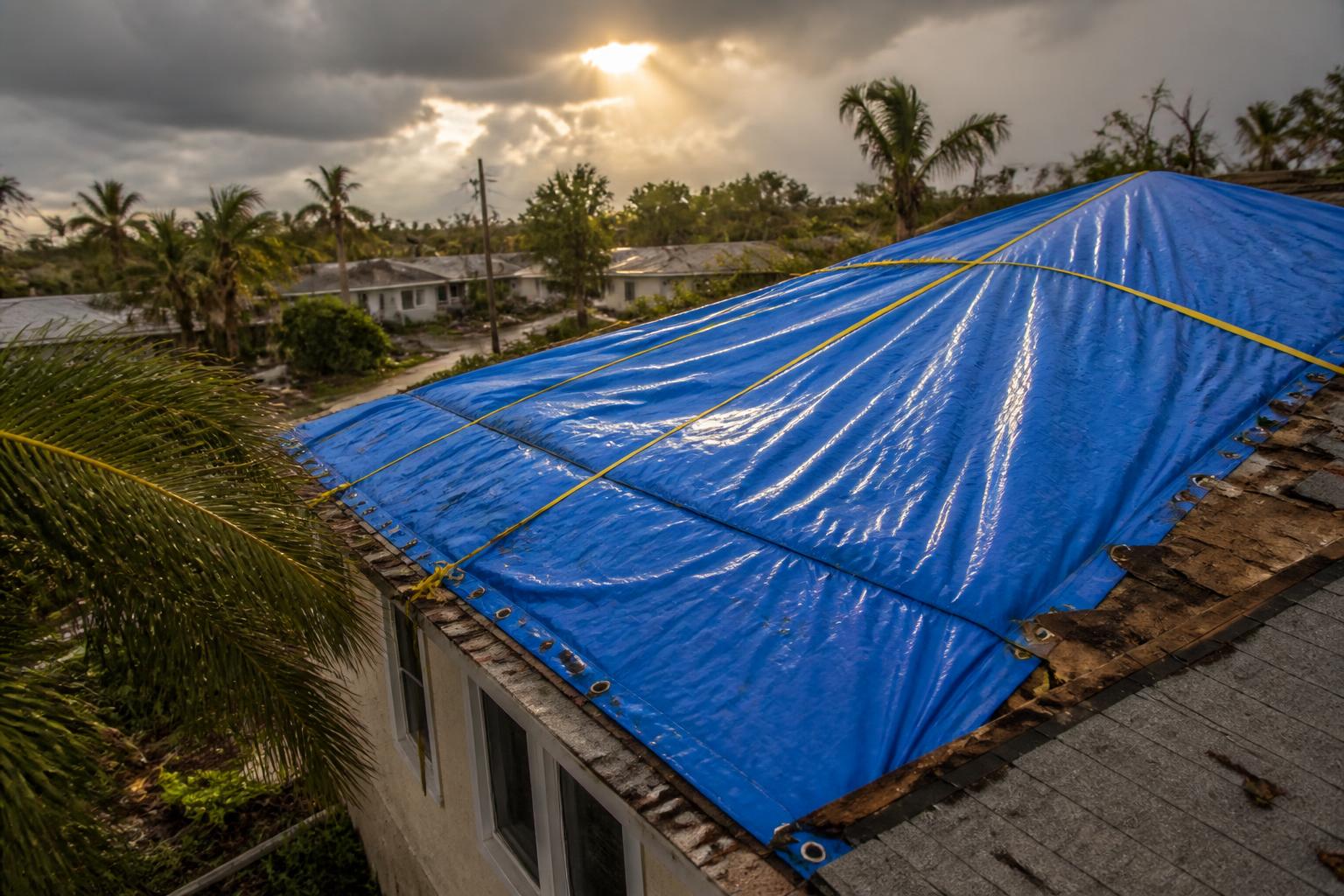
The Property Manager's Hurricane Prep Checklist for Florida Commercial Buildings
Hurricane prep is a 12-month job, not a June scramble. The buildings that come through named storms in the best shape do three things: inspect twice a year, secure rooftop equipment year-round, and have a contractor on call before the cone forms.
When should hurricane prep actually start?
Spring. A full envelope inspection in April or May gives you eight to ten weeks to schedule repairs before the season opens June 1. Waiting until a storm is in the cone means competing with every other building in the state for the same contractors and materials.
What should be on a pre-season inspection?
Roof membrane and seams, all rooftop equipment tie-downs (HVAC, satellite dishes, signage), parapet caps and coping, gutters and scuppers, exterior doors and weather stripping, window seals and impact film, soffit and fascia integrity, and any tree limbs within 10 feet of the building.
What documentation do I need before a storm hits?
Date-stamped photos of every roof elevation, every facade, and every major mechanical unit. Current COI on file for your contractor of record. A signed emergency response agreement so dispatch is automatic, not negotiated. This documentation is the single fastest way to settle an insurance claim cleanly.
What is the first thing to do after the storm passes?
Safety first, then document. Walk the property with a phone camera and photograph everything before anyone touches it. Call your contractor for emergency tarp and dry-in. Only then call your insurance carrier to open the claim. Filing before you have documentation puts you on the carrier's timeline, not yours.
How fast can a contractor actually get to my property after a hurricane?
Timing depends on storm severity, road access and how many properties are damaged, so no honest contractor can promise a number. SunSmart responds as fast as conditions allow and confirms timing when you call. Site Walk Program members go ahead of new calls, so the best way to move up the queue is to be a member before the season starts.
- →Inspect every April or May, never in August.
- →Tie-downs, seams, and scuppers cause most named-storm claims.
- →Date-stamped photos cut claim settlement time in half.
- →Tarp first, claim second.
- →Emergency response agreements move you to the front of the queue.
VP of Dealer Relations at SunSmart Engineering. Hands-on experience across thousands of solar installations, with Enphase and Tesla solar certifications.
Related field notes.
Hail in Florida: How to Spot It, Document It, and Get the Claim Paid
Florida sees more hail than most people realize, especially through the I-4 corridor between Tampa and Orlando. Hail damage on a shingle roof shows as circular bruising and granule loss, on a tile roof as fractures along the headlap, and on a metal roof as paint chipping and indentations. Document within seven days. Florida allows a year to give notice, but waiting lets the carrier argue the damage is old.
How to Actually Win a Florida Insurance Claim for Roof Damage
Most denied roof claims in Florida fail for two reasons: insufficient documentation of pre-loss condition, and confusion between cosmetic and functional damage. A contractor walk before you file separates winnable claims from claims that will hurt your premium for years.
Why a $1,500 Site Walk Saves $50,000 in Capex: The ROI Math on Annual Inspections
Roof failures rarely happen overnight. They progress over 18 to 36 months from a $400 fix to a $40,000 tear-off. A documented annual inspection catches failures in the cheap window, generates capex forecasts for your CFO, and earns you priority storm response.