How HOAs and Condos Avoid the Special Assessment Vote on Roofing
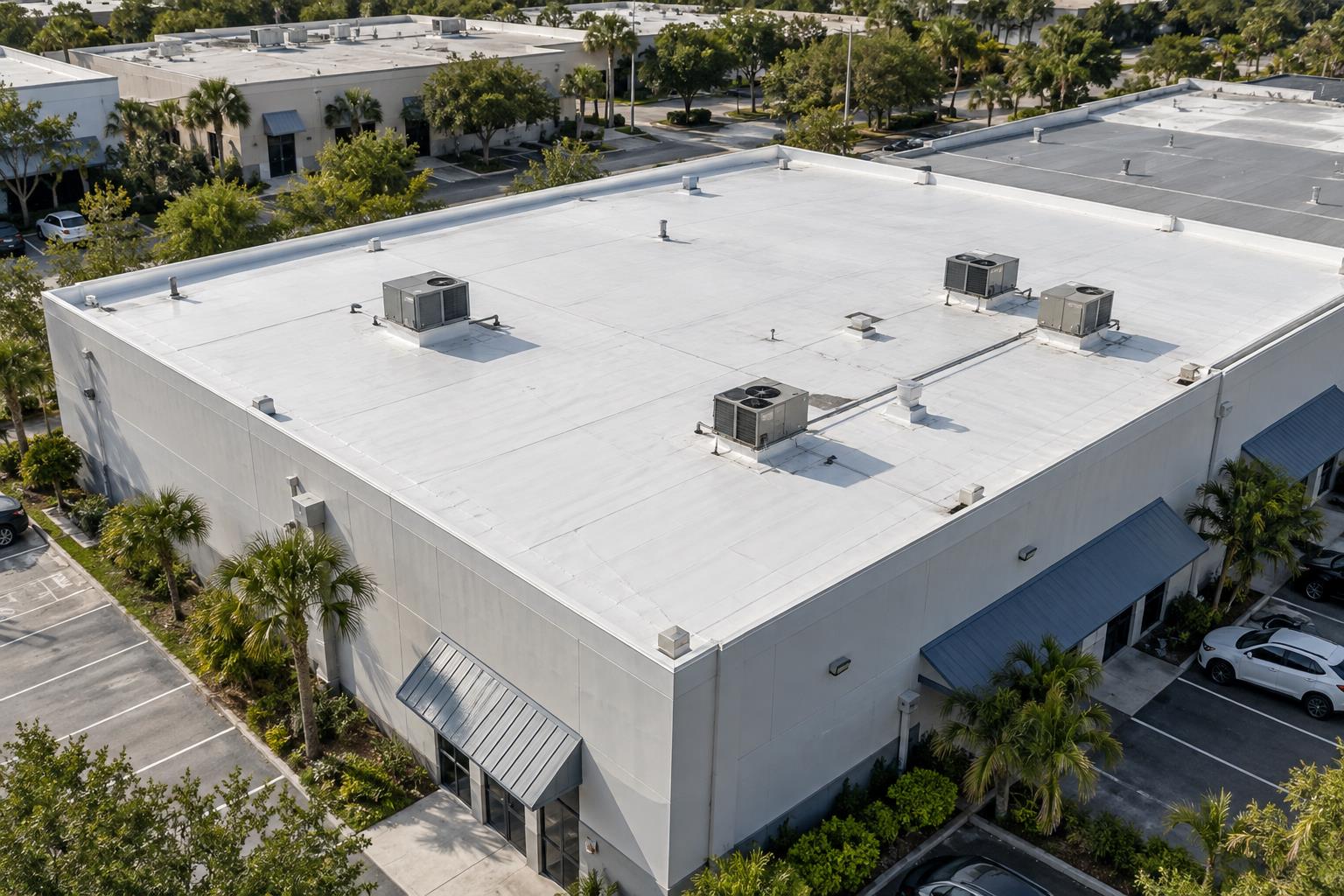
The single biggest source of special assessments in Florida HOAs and condos is deferred roof work. Reserve studies built on annual inspection data, phased reroof plans, and competitive bid panels keep monthly dues steady and avoid the assessment vote that splits a community.
Why do so many Florida HOAs end up voting on special assessments for the roof?
Reserve studies built on guesses rather than current inspection data underfund the roof line item for years. By the time leaks start, the board has to either special assess or take out a loan. Both are unpopular. Both are usually avoidable with five years of inspection-driven reserve planning.
What does the new milestone inspection law require?
Florida SB 4-D (2022, since amended) requires milestone structural inspections for condominium and cooperative buildings of three or more habitable stories: by December 31 of the year the building turns 30 (a local building official can set 25 years instead), then every 10 years. It does not cover single-family HOA homes. Condo buildings of that size also need a structural integrity reserve study that includes the roof, and associations generally can no longer vote to skip or reduce reserves for those items. Findings often surface roof and envelope issues that drive reserve funding decisions, so treat both as a forcing function for full reserve modernization.
How does phasing the reroof help?
On a 20-building HOA or a multi-tower condo, reroofing all assets at once requires a giant reserve draw or assessment. Phasing two to four buildings per year over a five to seven year window smooths the spend, lets the board fund from operating reserves, and avoids the assessment vote. Inspection data tells you which buildings go first.
Should we always take the lowest bid?
No. On association work the lowest bid frequently comes from contractors using cheaper assemblies that will not last the reserve period, or from contractors who underprice to win and then change-order to profit. Score bids on price plus certifications, in-house crew percentage, warranty terms, and references from comparable communities.
What is the contractor's role in the reserve study?
Provide remaining useful life estimates per building, anticipated replacement costs in current dollars, and notes on whether mid-life maintenance can extend the asset by 5 to 10 years. Good reserve specialists welcome contractor input. Combining the two perspectives produces the most defensible reserve number.
- →Special assessments are usually a planning failure, not a roofing failure.
- →Milestone inspections are a forcing function for reserve modernization.
- →Phased reroofs smooth the spend and avoid the assessment vote.
- →Score bids on more than price.
- →Contractor input belongs in the reserve study.
VP of Dealer Relations at SunSmart Engineering. Hands-on experience across thousands of solar installations, with Enphase and Tesla solar certifications.
Related field notes.
NDL vs Material vs Workmanship: The Three Commercial Roof Warranties Decoded
An NDL (no dollar limit) manufacturer warranty covers full repair or replacement cost for 20 to 30 years and requires a certified installer. Material warranties only cover the membrane defects, not labor. Workmanship warranties come from your contractor and cover the install. You want all three.
How to Vet a Commercial Roofing Contractor in Florida (Without Getting Burned)
The cheapest bid is almost never the cheapest project. Vet contractors on manufacturer certifications, in-house crews vs subs, COI limits, NDL warranty authority, and named-storm response track record. Five questions separate the real outfits from the ones chasing a one-time job.
TPO vs Modified Bitumen vs Metal: Which Commercial Roof Belongs on Your Florida Building?
TPO is the default for most Florida flat roofs (best cost-to-life ratio, white reflective surface, 20 to 30 year NDL warranties available). Modified bitumen still wins on small footprints and complex penetrations. Standing seam metal is the long-term play for owners who plan to hold the asset 30+ years and want hurricane-rated performance.